
Bunions 101: Causes, Symptoms, and Treatment Options
Bunions 101: Causes, Symptoms, and Treatment Options
posted: Apr. 18, 2025.
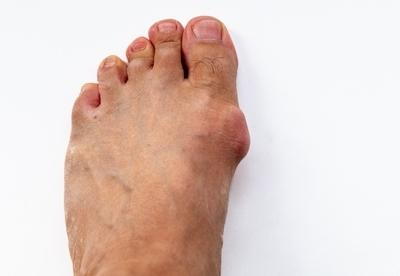
Bunions are a common foot condition that can cause discomfort, pain, and difficulty walking if left untreated. They develop gradually and often worsen over time, making early diagnosis and treatment essential. At Arp Foot & Ankle Clinic, with locations in Harrison and Mountain Home, AR, Dr. Eric Arp specializes in diagnosing and treating bunions to help patients find relief and restore their mobility. Whether you’re experiencing mild discomfort or severe pain, understanding the causes, symptoms, and treatment options for bunions is the first step toward healthier feet.
What Are Bunions?
A bunion is a bony bump that forms at the base of the big toe, where it meets the foot. This occurs when the bones in the front part of the foot shift out of alignment, causing the big toe to lean toward the second toe. Over time, this misalignment can lead to the characteristic bump on the side of the foot. Bunions can vary in severity, from small and painless to large and debilitating. They are often accompanied by inflammation, redness, and swelling around the joint, making it difficult to wear shoes comfortably or walk without pain.
Causes of Bunions
Bunions are typically caused by a combination of genetic, structural, and environmental factors. Genetics play a significant role, as some people inherit a foot shape that makes them more prone to developing bunions. Other contributing factors include wearing tight or ill-fitting shoes, particularly those with narrow toe boxes or high heels, which can put pressure on the toes and exacerbate misalignment. Certain medical conditions, such as arthritis or flat feet, can also increase the risk of developing bunions. Additionally, repetitive stress on the feet from activities like running or standing for long periods may contribute to their formation.
Symptoms of Bunions
The most noticeable symptom of a bunion is the visible bump on the side of the foot. Other symptoms include pain or tenderness around the joint, swelling, redness, and restricted movement of the big toe. In severe cases, bunions can lead to corns, calluses, or even changes in the shape of the foot.
Treatment Options for Bunions
At Arp Foot & Ankle Clinic, Dr. Eric Arp offers a range of treatment options to address bunions based on their severity and your individual needs. Conservative treatments include wearing comfortable, properly fitting shoes, using orthotic devices to support the foot, and applying ice to reduce inflammation. Over-the-counter pain relievers or anti-inflammatory medications may also help manage symptoms.
For more severe cases, surgical intervention may be necessary to correct the alignment of the bones and relieve pain. Dr. Arp specializes in bunion surgery and works closely with patients to determine the best course of action for their condition.
Expert Care at Arp Foot & Ankle Clinic
If you’re struggling with bunions, Arp Foot & Ankle Clinic is here to help. With locations in Harrison and Mountain Home, AR, Dr. Eric Arp provides personalized care to address the causes, symptoms, and treatment options for bunions. Call our Harrison office at (870) 365-3668 or our Mountain Home office at (870) 425-7363 to schedule your consultation.