
Frostbite on the Feet: When to Visit a Podiatrist
Frostbite on the Feet: When to Visit a Podiatrist
posted: Jan. 16, 2026.
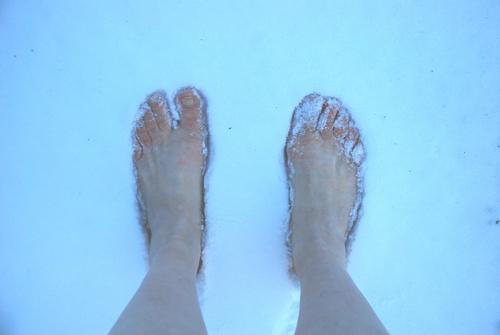
Cold winter conditions in Harrison and Mountain Home, AR, can increase the risk of frostbite, particularly in the feet. At Arp Foot and Ankle Clinic, podiatrists often see patients who underestimate how quickly cold exposure can damage foot tissues. Frostbite occurs when skin and underlying tissues freeze due to prolonged exposure to cold temperatures, wind, or moisture. The feet are especially susceptible because they are farthest from the body’s core, often exposed to damp environments, and sometimes constrained by tight footwear that limits circulation.
Early Signs of Frostbite in the Feet
Frostbite does not always present with severe pain right away. Early symptoms may include coldness, numbness, tingling, or skin that appears pale or waxy. As the condition progresses, the skin may become hard, discolored, or blistered once rewarming occurs. Reduced sensation can delay recognition of injury, allowing tissue damage to worsen without immediate awareness. Prompt attention to these changes is essential to prevent long-term complications.
Why Frostbite Requires Professional Foot Care
Mild frostbite may resolve with careful rewarming and monitoring, but deeper frostbite can damage nerves, blood vessels, muscles, and even bone. Without proper medical evaluation, complications such as infection, chronic pain, stiffness, or long-term circulation problems may develop. A podiatrist is trained to assess the depth and severity of frostbite injuries and determine whether advanced treatment is needed to protect foot health and function.
When to Visit a Podiatrist for Frostbite
Persistent numbness, color changes that do not improve after rewarming, swelling, blistering, or increasing pain are all signals that professional care is necessary. Individuals with diabetes, peripheral artery disease, or nerve conditions should seek evaluation sooner, as these conditions increase the risk of severe injury and delayed healing. Podiatric evaluation allows for careful monitoring of tissue recovery and early intervention if complications arise.
Treatment and Recovery Under Podiatric Care
Treatment for frostbite focuses on restoring circulation, managing pain, preventing infection, and supporting tissue healing. This may involve controlled rewarming, wound care, and recommendations to protect the feet during recovery. In more serious cases, imaging or referral for additional care may be needed to assess deeper tissue involvement. Early podiatric treatment improves the likelihood of full recovery and reduces the risk of long-term foot problems.
Protecting Your Feet During Cold Weather
Preventing frostbite starts with keeping feet warm, dry, and properly protected in cold conditions. Well-fitting insulated footwear and attention to early symptoms play an important role in avoiding injury. If frostbite is suspected, timely medical evaluation can make a meaningful difference in outcomes.
Arp Foot and Ankle Clinic in Harrison and Mountain Home, AR, provides expert evaluation and treatment for frostbite-related foot injuries and other cold-weather concerns. If foot numbness, discoloration, or pain develops after cold exposure, scheduling an appointment promptly can help protect long-term foot health. To make an appointment, contact the Harrison, AR, office at (870) 365-3668 or the Mountain Home, AR, office at (870) 425-7363.