
Is Flat Feet Reconstruction Surgery Right for You A Guide for Patients in Harrison & Mountain Home, AR
Is Flat Feet Reconstruction Surgery Right for You A Guide for Patients in Harrison & Mountain Home, AR
posted: Feb. 18, 2026.
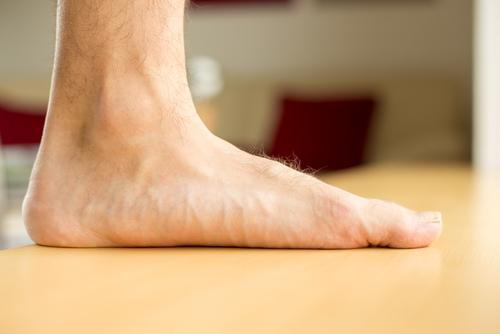
Flat feet are not just a cosmetic concern. For many patients in North Central Arkansas, collapsed arches can lead to chronic foot pain, ankle instability, tendon damage, and progressive deformity that interferes with everyday life. At ARP Foot and Ankle Clinic in Harrison and Mountain Home, AR, Dr. Eric Arp evaluates adult acquired flatfoot deformity and complex arch collapse using advanced diagnostic techniques to determine whether conservative care or surgical reconstruction is appropriate. Understanding your condition is the first step toward choosing the right treatment plan.
If you are dealing with ongoing pain, instability, or changes in foot alignment, a thorough evaluation can help guide your next steps.
What Causes Flat Feet in Adults?
Flat feet, also called pes planus, occur when the arch of the foot collapses or does not maintain proper structure. Some individuals are born with low arches, while others develop flatfoot over time due to changes in tendon or joint function. As the arch weakens, the foot may roll inward, creating a pattern known as overpronation. This shift in alignment can place stress on the ankle, midfoot, and other areas of the body.
Common causes of flat feet include posterior tibial tendon dysfunction, arthritis in the foot and ankle joints, ligament laxity, previous injuries, and long-term strain on the foot. In many cases, the condition is progressive and may worsen if not properly addressed.
When Non-Surgical Treatment Is Not Enough
Most patients begin with conservative treatment options before considering surgery. These approaches may include custom orthotics, supportive footwear, ankle bracing, physical therapy, and activity modification. For many individuals, these measures help reduce pain and improve stability during daily activities. Early intervention often provides the best chance of symptom control without surgery.
Surgical reconstruction may be considered when pain persists despite consistent conservative care. Continued arch collapse, chronic swelling, difficulty with walking or standing, and the presence of tendon damage or arthritis may indicate a need for further treatment. A comprehensive evaluation helps determine whether surgical intervention is appropriate.
Who Is a Candidate for Flat Feet Reconstruction?
Candidacy for flatfoot reconstruction is based on symptoms, physical findings, and imaging results. Patients who experience ongoing foot or ankle pain, visible arch collapse, and difficulty with normal movement may benefit from surgical evaluation. Weakness when standing on the toes or noticeable changes in foot shape can also be signs of advanced deformity. These symptoms often affect daily function, not just recreational activity.
Age alone does not determine whether surgery is appropriate. The decision is based on the severity of the condition, joint flexibility, tendon health, and overall medical status. Patients in Harrison, Mountain Home, and surrounding Arkansas communities often seek care when symptoms begin to limit their quality of life.
What Does Flat Feet Reconstruction Surgery Involve?
Flat feet reconstruction is a customized procedure rather than a single operation. The surgical plan is designed to restore alignment, improve stability, and support the arch. Depending on the condition, treatment may include tendon repair, tendon transfer, bone realignment, or stabilization of the midfoot. In more advanced cases, joint fusion may be recommended to address arthritis and provide lasting support.
The goal of reconstruction is to create a stable, functional foot that reduces pain and prevents further deformity. Careful planning ensures that each procedure is tailored to the patient’s specific needs.
Recovery After Flatfoot Reconstruction
Recovery requires time and a structured plan to support healing. Patients typically begin with a period of non-weight-bearing in a cast or walking boot to protect the surgical site. As healing progresses, weight-bearing is gradually introduced under medical guidance. Physical therapy is often recommended to restore strength and improve walking patterns.
The full recovery process can take several months, depending on the complexity of the surgery and individual healing factors. Following post-operative instructions is essential for achieving the best possible outcome.
When Should You Schedule an Evaluation?
If you are experiencing persistent arch pain, ankle instability, or progressive flattening of the foot, early evaluation is important. Addressing flatfoot deformity before it becomes rigid or leads to arthritis can improve treatment outcomes. Waiting too long may limit available options and prolong recovery.
ARP Foot and Ankle Clinic provides comprehensive care for patients in Harrison, Mountain Home, and surrounding Arkansas communities. To schedule a flat feet evaluation, call the Harrison office at (870) 365-3668 or the Mountain Home office at (870) 425-7363.