
How Repetitive Movement Impacts Tendon Health
How Repetitive Movement Impacts Tendon Health
posted: Mar. 23, 2026.
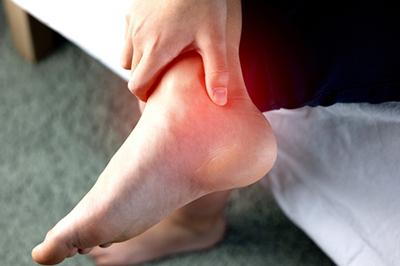
Tendons play a critical role in connecting muscles to bones and supporting movement during daily activity. The Achilles tendon, in particular, handles significant stress with walking, running, and standing. At ARP Foot and Ankle Clinic in Harrison and Mountain Home, AR, Dr. Eric Arp evaluates tendon-related conditions to help patients address pain early and prevent long-term damage. Repetitive movement is one of the most common factors that can affect tendon health over time.
Why Repetition Leads to Tendon Strain
Tendons are designed to handle repeated motion, but they can become overloaded when stress exceeds their ability to recover. Activities such as running, jumping, or prolonged standing place continuous strain on the Achilles tendon. Without adequate rest, small areas of irritation can develop within the tendon.
Over time, this repeated stress may lead to inflammation or gradual tissue breakdown.
How Achilles Tendon Problems Develop
When repetitive movement continues without proper recovery, the tendon may begin to weaken. Patients often notice stiffness, soreness, or tightness in the back of the heel, especially after activity or in the morning. As the condition progresses, discomfort may become more persistent and affect daily movement.
In some cases, ongoing strain can increase the risk of partial tearing or more significant injury.
Contributing Factors to Tendon Stress
Several factors can increase the impact of repetitive movement on tendon health. Improper footwear, poor biomechanics, and sudden increases in activity level can place additional stress on the Achilles tendon. Tight calf muscles or limited flexibility may also contribute to increased tension during movement.
Identifying these factors helps guide treatment and prevent further strain.
Preventing Long-Term Tendon Damage
Early care focuses on reducing stress and supporting proper healing. Activity modification, stretching, and supportive footwear can help relieve strain on the tendon. In some cases, additional support such as orthotics or targeted therapy may be recommended to improve alignment and reduce pressure.
Addressing symptoms early can help prevent progression and reduce the likelihood of more serious injury.
When to Seek Evaluation
Persistent pain, swelling, or stiffness in the back of the heel should be evaluated, especially if symptoms worsen with activity. Early diagnosis allows for more effective treatment and helps protect long-term tendon function.
Achilles Tendon Care in Harrison & Mountain Home, AR
At ARP Foot and Ankle Clinic in Harrison and Mountain Home, AR, Dr. Eric Arp provides evaluation and treatment for Achilles tendon conditions related to repetitive stress. Care is focused on relieving pain, restoring function, and preventing further injury.
To schedule an appointment, call the Harrison office at (870) 365-3668 or the Mountain Home office at (870) 425-7363.