
Corn Treatment in Harrison & Mountain Home, AR
Corn Treatment Near You
A corn may look small, but it can make walking, standing, or wearing shoes uncomfortable. Corns often form from repeated pressure or rubbing, especially on the toes, between the toes, or on areas where shoes press against the skin. At Arp Regional Foot & Ankle Specialist, we provide corn treatment in Harrison & Mountain Home, AR, for patients with painful, thickened skin, pressure spots, shoe irritation, or recurring corns.
Some corns improve with simple changes, while others need professional care, especially if they keep coming back. If you are looking for corn treatment near you, we can help you find out why the corn is forming and how to relieve the pressure causing it.
What Is Corn Treatment?
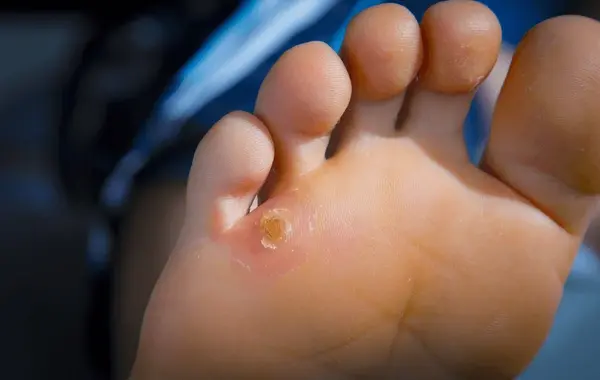
Corn treatment focuses on relieving painful pressure and safely reducing thickened skin. A corn is a small area of hardened skin that forms when the foot is exposed to repeated friction or pressure. This can happen from tight shoes, toe deformities, bunions, hammertoes, abnormal walking patterns, or bony pressure points.
Corns are not the same as calluses, although they are similar. Corns are usually smaller, deeper, and more painful when pressed. They may form on the tops of the toes, between the toes, or on the ball of the foot. Some feel like a pebble in the shoe. Others cause sharp pain when walking.
At Arp Regional Foot & Ankle Specialist, we do not just remove thick skin and send you home. We look for the reason the corn developed. Treatment may include safe trimming, padding, shoe guidance, pressure relief, orthotics, or care for an underlying toe or foot structure problem.
When Do You Need Corn Treatment?
You may need care if a corn is painful, keeps returning, or makes walking uncomfortable. It is especially important to avoid cutting a corn at home if you have diabetes, poor circulation, nerve problems, or slow healing.
Common signs include:
Painful thickened skin
Pressure on the toes
Pain between the toes
Shoe rubbing
Sharp pain when walking
A hard center in the skin
Recurring corns
Redness around the area
Difficulty wearing shoes
Skin irritation near a toe deformity
If a corn is painful, keeps coming back, or appears with redness, drainage, or skin breakdown, visit a podiatrist near you for an evaluation.
Corn Treatment in Harrison, AR
At Arp Regional Foot & Ankle Specialist, we provide corn treatment in Harrison for patients with painful corns, toe pressure, shoe irritation, and recurring skin buildup. Our Harrison office gives patients access to foot care close to home.
If you are looking for a podiatrist in Harrison, we can examine the affected area, check for pressure points, and explain what may be causing the corn. As a podiatry office in Harrison, we help patients manage corns safely and, when possible, reduce the risk of recurrence.
To schedule a visit, call our Harrison office at (870) 365-3668 or visit us at 3108 Meadowmere Ln, Harrison, AR 72601.
Corn Treatment in Mountain Home, AR
Our Mountain Home office also treats painful corns, thickened skin, and pressure-related foot concerns. We offer corn treatment in Mountain Home for patients who need safe care and practical guidance for ongoing foot irritation.
If you need a podiatrist in Mountain Home, we can check the corn, review your shoes, and look for toe or foot structure concerns that may be adding pressure. As a podiatry office in Mountain Home, we focus on relieving discomfort and helping you understand how to protect the area.
To schedule an appointment, call our Mountain Home office at (870) 425-7363 or visit us at 801 S. College Street, Mountain Home, AR 72653.
What Happens During Corn Treatment?
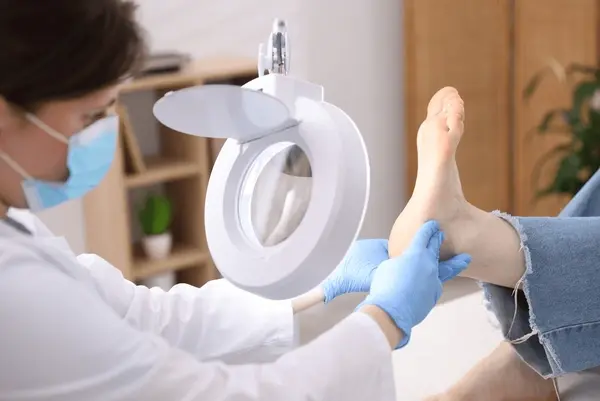
Your visit starts with a close look at the skin and the pressure around it. We take the following steps when providing corn treatment in Mountain Home & Harrison, AR:
Symptom review
We ask where the corn hurts, how long it has been there, and what shoes or activities make it worse.
Skin exam
We check the thickened area, surrounding skin, redness, tenderness, and signs of irritation.
Pressure check
We look for rubbing from shoes, toe position, hammertoes, bunions, or bony pressure points.
Safe reduction
We may carefully reduce thickened skin using professional tools.
Padding guidance
We may recommend padding or offloading to reduce pressure on the area.
Shoe review
We discuss shoe fit, toe box space, and ways to reduce rubbing.
Underlying cause review
We explain whether foot structure, walking pattern, or toe deformity may be causing the corn.
Follow-up care
We monitor recurring corns or high-risk feet when ongoing care is needed.
Do not cut deep into a corn at home. This can lead to cuts, infection, or wounds, especially if you have diabetes or poor circulation.
Why Choose Arp Regional Foot & Ankle Specialist for Corn Treatment?
Corns are often treated like a small skin problem, but they usually have a pressure problem underneath. Unless that pressure is addressed, the corn may keep returning.
If you are looking for a podiatry office near you, our approach includes:
Regional specialty care
Careful skin evaluation
Safe corn reduction
Pressure relief planning
Shoe and padding guidance
Diabetic foot awareness
Complete foot care under one roof
At Arp Regional Foot & Ankle Specialist, we focus on comfort, safety, and prevention. We help relieve the painful buildup and explain what may be causing it, so you have a better chance of avoiding the same problem again.
Book Your Appointment Today
At Arp Regional Foot & Ankle Specialist, we offer corn treatment near you for painful corns, shoe irritation, pressure spots, and recurring thickened skin. We will examine your foot, explain what we find, and recommend treatment based on your needs.
Call our Harrison office at (870) 365-3668 or our Mountain Home office at (870) 614-0148 to schedule your appointment today.
FAQs
Can I remove a corn at home?
It is best not to cut a corn at home. Cutting too deeply can cause bleeding, infection, or wounds, especially if you have diabetes or poor circulation.
Why does my corn keep coming back?
Corns often return when pressure or rubbing continues. Tight shoes, toe deformities, bunions, hammertoes, or walking patterns may be involved.
Are corns and calluses the same thing?
They are similar, but corns are usually smaller and deeper. Corns often hurt more when pressed because they form over a pressure point.
When should I see a podiatrist for a corn?
Schedule an evaluation if the corn is painful, keeps returning, affects walking, or appears with redness, drainage, cracking, or skin breakdown.
Can corn treatment help with shoe pain?
Yes, treatment may help reduce pressure and irritation. We may also recommend shoe changes, padding, or other support to help protect the area.