
Diabetic Shoes in Harrison & Mountain Home, AR
Diabetic Shoes Near You
When you have diabetes, the right shoes can do more than make walking more comfortable. They can help reduce pressure, protect the skin, and lower the risk of rubbing that may lead to sores or wounds. At Arp Regional Foot & Ankle Specialist, we provide diabetic shoes in Harrison & Mountain Home, AR, for patients who need extra foot protection, better support, and footwear guidance related to diabetic foot care.
Diabetic shoes are often recommended for patients with neuropathy, poor circulation, foot deformities, calluses, wounds, or a history of diabetic foot problems. If you are looking for diabetic shoes near you, we can examine your feet, review your risk factors, and help you understand what type of shoe support may be right for you.
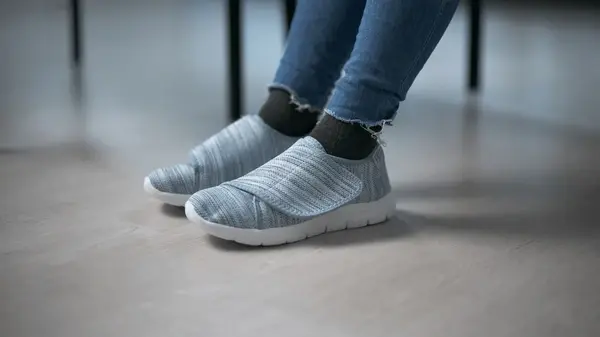
What Are Diabetic Shoes?
Diabetic shoes are specially designed shoes made to reduce pressure and protect the feet. They usually have more depth, a wider toe box, soft interior materials, and room for inserts or custom support. The goal is to reduce rubbing, avoid pressure points, and help protect areas that may be at higher risk for skin breakdown.
Diabetes can affect the feet in several ways. Some patients lose feeling because of neuropathy. Others may have circulation problems, dry skin, calluses, toe deformities, or wounds that take longer to heal. When feeling is reduced, a tight shoe, seam, blister, or pressure spot may go unnoticed until it becomes a bigger problem.
Diabetic shoes may be used with custom inserts or accommodative insoles to help reduce pressure under the foot. We explain your options clearly and help you choose footwear that supports safer daily movement.
When Do You Need Diabetic Shoes?
You may need diabetic shoes if your feet are at higher risk for pressure, wounds, or irritation. Not every patient with diabetes needs the same type of footwear, so an exam helps us decide what is appropriate.
Common reasons include:
Reduced feeling in the feet
Numbness or tingling
Calluses or pressure spots
Foot deformities
Bunions or hammertoes
Poor circulation
A history of foot wounds
Skin rubbing in regular shoes
Difficulty finding comfortable shoes
Need for protective inserts
If you have diabetes and notice numbness, calluses, shoe rubbing, wounds, or changes in foot shape, visit a podiatrist near you for an evaluation.
Diabetic Shoes in Harrison, AR
At Arp Regional Foot & Ankle Specialist, we provide diabetic shoes in Harrison for patients who need protective footwear and diabetic foot care support. Our Harrison office gives patients access to foot and ankle care close to home.
If you are looking for a podiatrist in Harrison, we can examine your feet, check for pressure areas, and explain whether diabetic shoes may help protect your skin. As a podiatry office in Harrison, we help patients with diabetes manage foot risks and make safer footwear choices when possible.
To schedule a visit, call our Harrison office at (870) 365-3668 or visit us at 3108 Meadowmere Ln, Harrison, AR 72601.
Diabetic Shoes in Mountain Home, AR
Our Mountain Home office also helps patients with diabetes, neuropathy, calluses, pressure points, and footwear concerns. We offer diabetic shoes in Mountain Home for patients who need added protection and support for daily walking.
If you need a podiatrist in Mountain Home, we can check your foot shape, skin condition, sensation, and shoe fit. As a podiatry office in Mountain Home, we focus on protecting the feet and helping patients reduce avoidable rubbing or pressure.
To schedule an appointment, call our Mountain Home office at (870) 425-7363 or visit us at 801 S. College Street, Mountain Home, AR 72653.

What Happens During a Diabetic Shoes Visit?
Your visit starts with a careful foot exam and a review of your diabetic foot risks. We take the following steps when providing diabetic shoes in Mountain Home & Harrison, AR:
Health history review
We ask about diabetes, neuropathy, circulation problems, wounds, past foot ulcers, and other risk factors.
Foot exam
We check your skin, nails, toes, arches, calluses, pressure points, and areas of irritation.
Sensation check
We evaluate whether you can feel pressure, touch, or protective sensation in your feet.
Circulation review
We look for signs that may suggest reduced blood flow or delayed healing risk.
Shoe assessment
We review your current shoes for tight areas, worn spots, poor support, or pressure concerns.
Fit discussion
We discuss shoe depth, toe box space, width, support, and room for inserts.
Insert planning
We may recommend accommodative inserts or custom support based on your foot shape and risk level.
Foot-care guidance
We explain how to check your feet, break in shoes safely, and watch for redness or rubbing.
Diabetic shoes should fit well from the start. We encourage patients to check their feet after wearing new shoes and to contact us if they notice redness, rubbing, blisters, or pain.
Why Choose Arp Regional Foot & Ankle Specialist for Diabetic Shoes?
Diabetic shoes are not just about comfort. For many patients, they are part of a larger plan to protect the feet from pressure, wounds, and avoidable skin breakdown. We look at your full foot health before making recommendations.
If you are looking for a podiatry office near you, our care may include:
Regional foot and ankle specialty care
Complete diabetic foot care under one roof
Conservative protection
Advanced surgical expertise
Detailed pressure-point evaluation
Neuropathy and skin-risk checks
Clear shoe and insert guidance
Care focused on mobility and quality of life
At Arp Regional Foot & Ankle Specialist, we help you understand why certain shoes may be safer for your feet.
Book Your Appointment Today
At Arp Regional Foot & Ankle Specialist, we offer diabetic shoes near you for patients who need protective footwear, pressure relief, and diabetic foot care support. We will examine your feet, explain what we find, and recommend footwear guidance based on your needs.
Call our Harrison office at (870) 365-3668 or our Mountain Home office at (870) 614-0148 to schedule your appointment today.
FAQs
Who needs diabetic shoes?
Diabetic shoes may be recommended for patients with diabetes who have neuropathy, poor circulation, calluses, foot deformities, past wounds, or areas of repeated pressure.
How are diabetic shoes different from regular shoes?
Diabetic shoes usually have more depth, extra room, softer interiors, and space for inserts. They are designed to reduce rubbing and pressure on the feet.
Can diabetic shoes prevent all foot wounds?
No shoe can prevent every wound, but properly fitted diabetic shoes may help reduce pressure and lower the risk of rubbing, blisters, and skin breakdown.
Do diabetic shoes need special inserts?
Some patients benefit from accommodative inserts or custom support. We can recommend inserts based on your foot shape, pressure areas, and risk level.
When should I schedule a diabetic footwear visit?
Schedule a visit if you have diabetes with numbness, calluses, shoe rubbing, wounds, foot deformities, or trouble finding shoes that fit comfortably.