
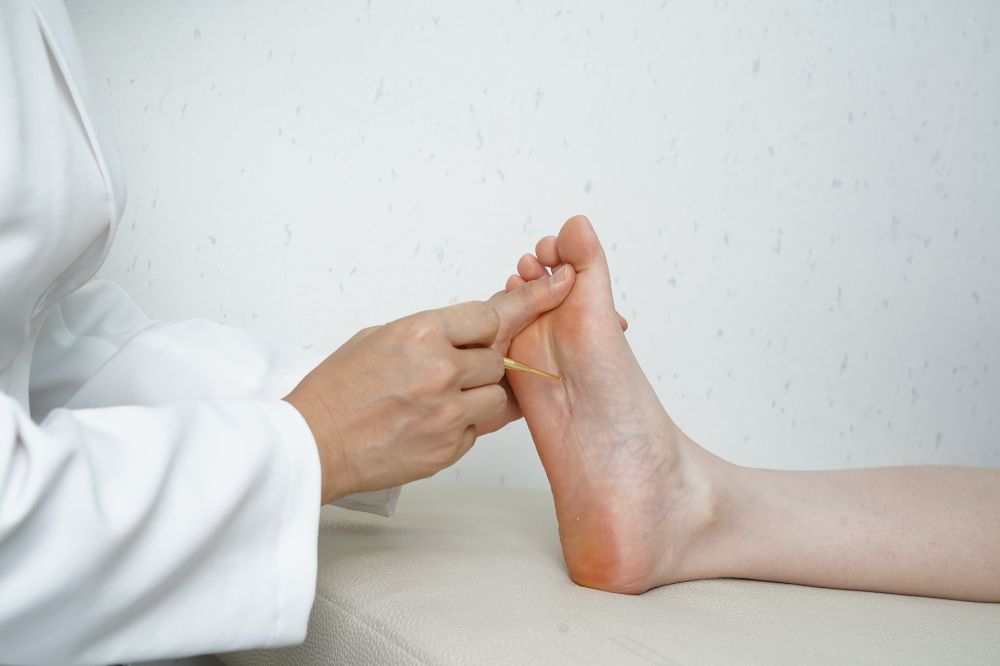
Chronic ankle pain can make everyday activities like walking, standing, climbing stairs, or exercising harder. Chronic ankle pain in Harrison can have many causes, such as an old injury, repeated strain, joint problems, or the way your foot moves. Finding the cause of the pain is an important step toward relief. A proper assessment can help find what is causing the pain and guide the right treatment. Depending on the cause, care may include changes to daily activities, supportive footwear, exercises, or other treatments.
What Causes Chronic Ankle Pain?
Ankle pain that continues for weeks or keeps returning may have several possible causes. A previous sprain can leave the ankle weak or unstable, while repeated stress from sports, work, or daily activities can also contribute to ongoing discomfort.
Other possible causes include:
- Previous ankle injuries
- Repeated overuse
- Joint wear or inflammation
- Tendon problems
- Poor foot mechanics
- Unsuitable or worn footwear
- Nerve-related problems
The cause cannot always be identified from symptoms alone, so an assessment may be needed.
-
When Should Chronic Ankle Pain Be Checked?
Pain that does not get better with rest or keeps coming back should be checked. Ongoing ankle pain can make daily activities harder and may be linked to an underlying problem.
Consider seeing a healthcare professional if you have:
- Pain that lasts for several weeks
- Swelling that keeps coming back
- Stiffness that makes movement difficult
- Pain when walking normally
- A feeling that your ankle may give way
- Pain that returns after activity
A podiatrist near you can check your foot and ankle and help find the possible cause of your pain.
How Is the Cause of Ankle Pain Found?
A proper assessment looks beyond the painful area. The foot, ankle movement, walking pattern, and history of previous injuries may all provide useful information.
The assessment may involve:
- Discussing symptoms: When the pain started and what makes it better or worse.
- Checking movement: Looking at ankle strength, flexibility, and range of motion.
- Examining the foot: Checking for areas of tenderness, swelling, or changes in movement.
- Reviewing activity: Considering work, sports, exercise, and other activities.
- Further testing: Imaging or other tests may be recommended when necessary.
This information can help guide treatment based on the likely cause.
Can Footwear Make Ankle Pain Worse?
Yes. Shoes that do not provide suitable support, fit poorly, or are heavily worn may add stress to the feet and ankles. However, footwear is not always the main cause of chronic pain. If chronic ankle pain near you becomes worse during certain activities or while wearing particular shoes, noting these patterns can be useful during an assessment. Depending on the problem, changes in footwear may be included as part of a broader treatment plan.
What Treatments Can Help Chronic Ankle Pain?
Treatment depends on the cause, severity, and individual needs. There is no single approach that works for every type of ankle pain.
Depending on the assessment, care may include:
- Modifying activities that increase pain
- Stretching or strengthening exercises
- Supportive footwear
- Foot supports when appropriate.
- Gradual return to physical activity
- Other treatments based on the underlying problem
The aim is to address the reason for the pain while supporting safe movement and daily function.
Can Exercises Help With Ongoing Ankle Pain?
In some cases, exercises can help improve strength, flexibility, balance, and movement. The right exercises depend on the condition and should not make the pain significantly worse. For example, rehabilitation may focus on strengthening the muscles around the ankle after an injury or improving balance when ankle stability is a concern. A podiatrist in Harrison can help determine whether exercises are appropriate and which movements may fit the condition.
How Can You Support Ankle Health at Home?
Simple daily habits can support treatment and help reduce extra stress on your ankle. The best approach depends on what is causing the pain, so home care should be used along with professional advice.
Helpful habits may include:
- Wearing comfortable, well-fitting shoes
- Avoiding activities that make the pain worse
- Doing recommended exercises
- Slowly returning to activities after an injury.
- Taking breaks if you stand for a long time
- Watching for changes in swelling or pain
Even if the pain gets better for a while, ongoing symptoms should still be checked.
Take the Next Step Toward Better Ankle Comfort!
Ongoing ankle pain can have different causes, and finding the right approach starts with a careful assessment. Understanding what is contributing to the discomfort can help guide treatment and support a safer return to everyday activities. Book an appointment with Arp Foot & Ankle Clinic Harrison to have your ankle pain assessed and discuss treatment options suited to your needs.
FAQs
1. How long is ankle pain considered chronic?
Chronic pain generally refers to pain that continues for a prolonged period, often around three months or longer. However, recurring or persistent ankle pain should be assessed even before this point if it affects daily activities.
2. Can an old ankle sprain cause pain years later?
Yes. A previous injury can sometimes contribute to ongoing weakness, stiffness, or instability. An assessment can help determine whether an old injury may be connected to current symptoms.
3. Should you walk with chronic ankle pain?
It depends on the cause and severity of the pain. Continuing activities that significantly increase pain may not be appropriate. Professional guidance can help determine suitable activity levels.
4. Can changing shoes relieve ankle pain?
Suitable footwear may reduce stress on the feet and ankles for some people, but changing shoes will not address every cause of chronic ankle pain.